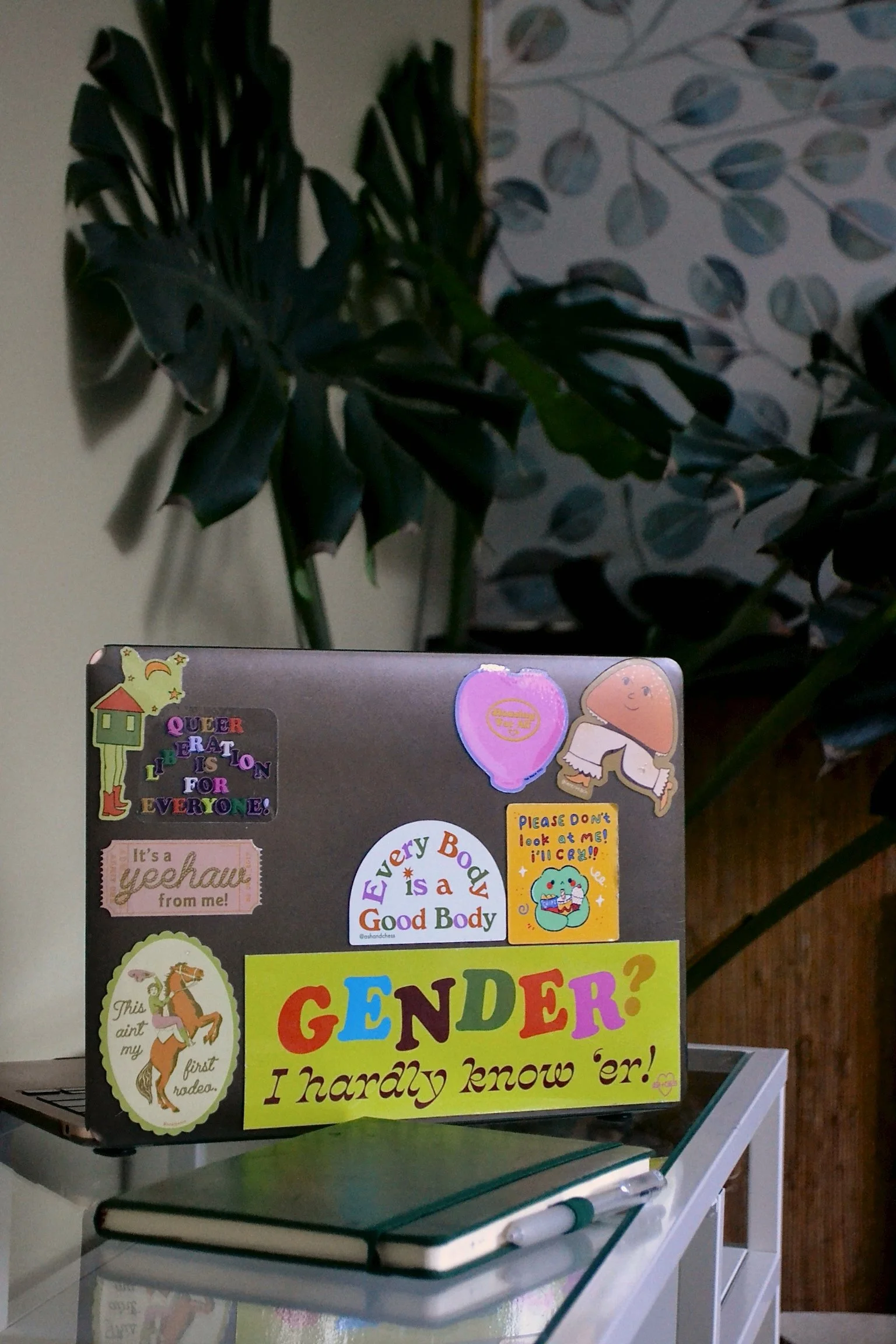
Support for transracial adoptees, queer & trans folks, people of color, neurodivergents, or anyone affected by systemic oppression.
*As of March 2026, prospective therapy clients will be placed on a waitlist, except those needing surgery letters.*
keep reading to learn more ↓
Therapy; in good faith
liberatory
✧
anti-carceral
✧
harm reductionist
✧
body/weight neutral
✧
non-pathologizing
✧
abolitionist
✧
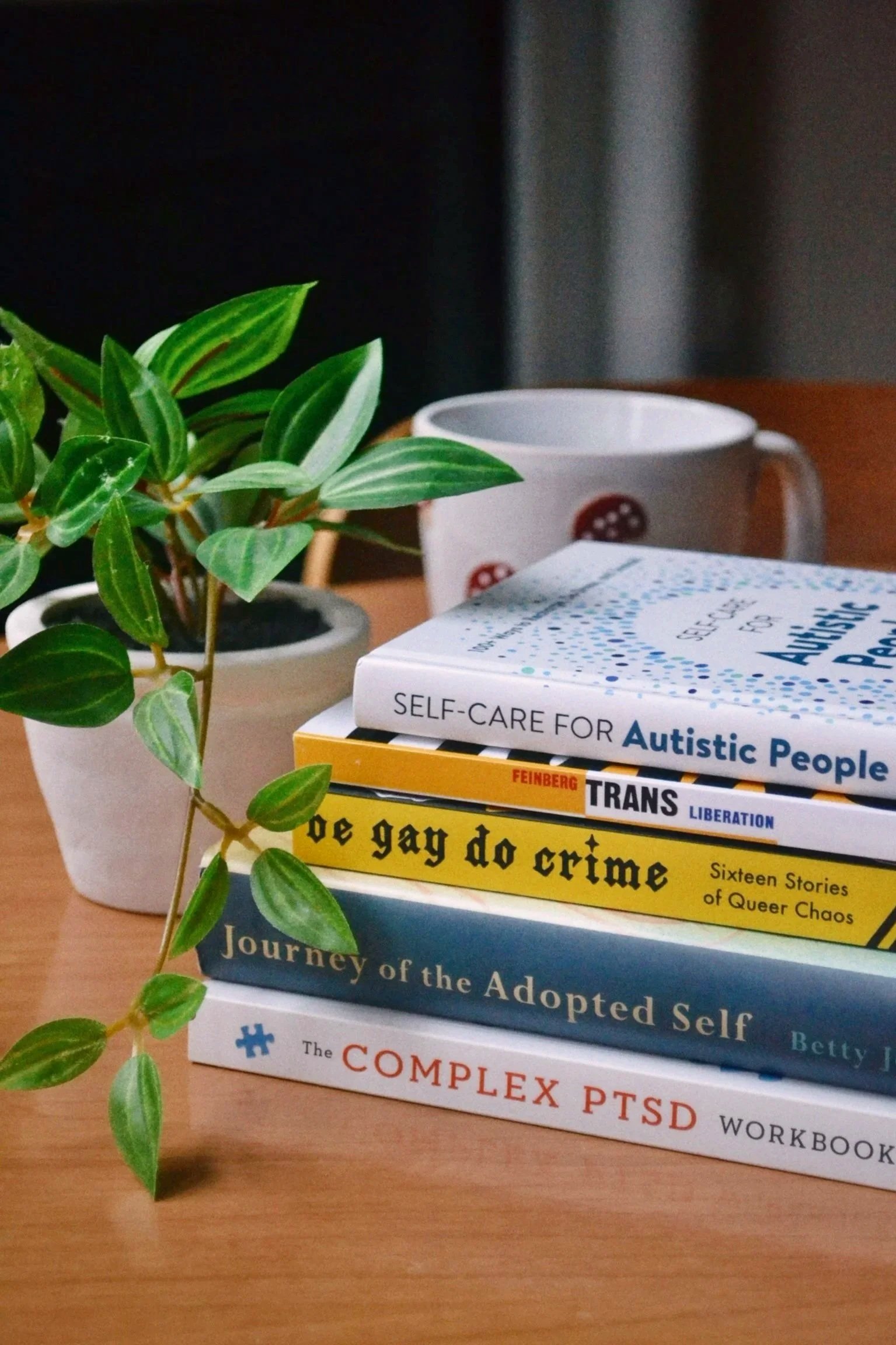
liberatory ✧ anti-carceral ✧ harm reductionist ✧ body/weight neutral ✧ non-pathologizing ✧ abolitionist ✧
Hi, I’m Fai 郟
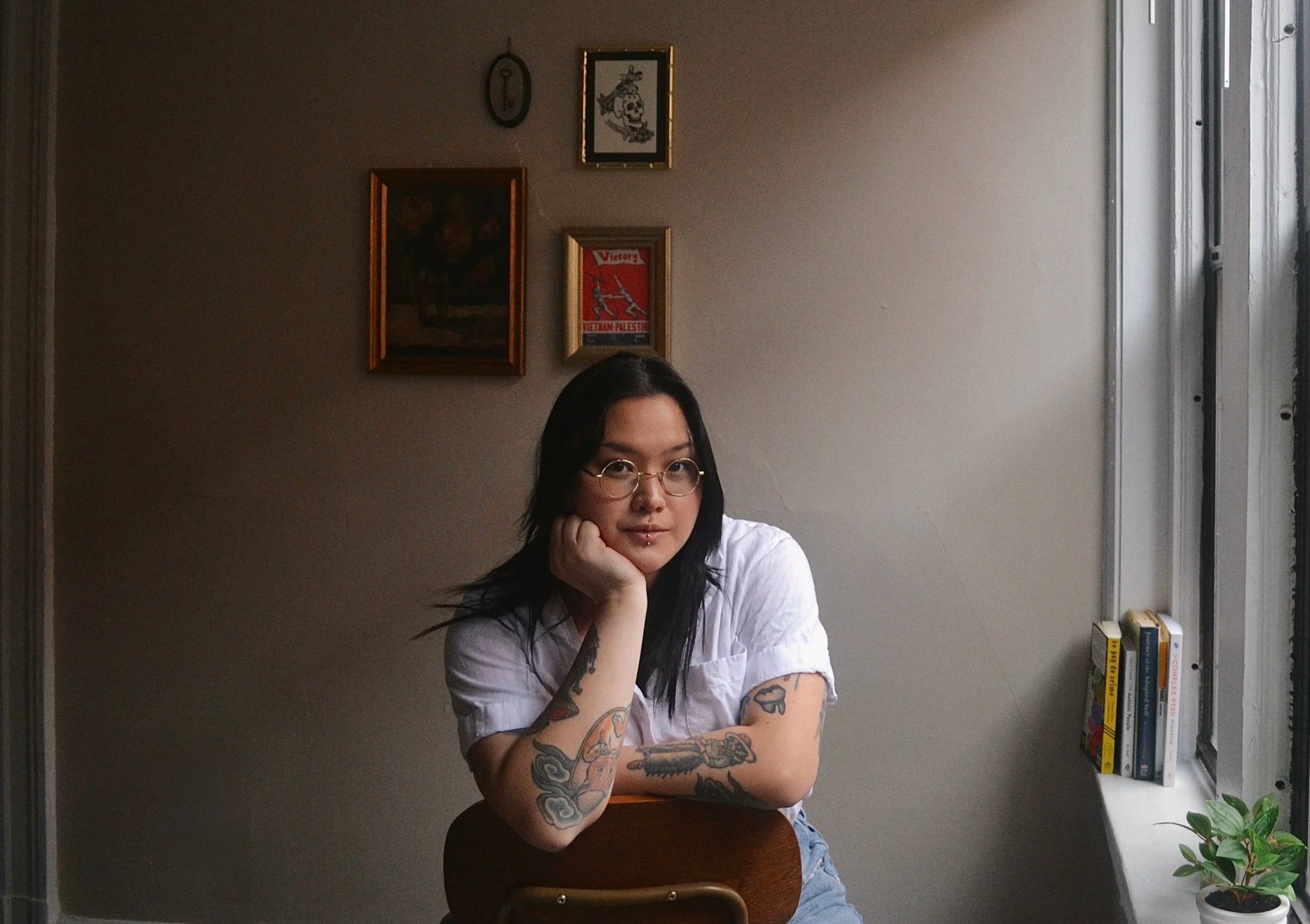
/feɪ/I’m a queer, nonbinary, neurodivergent, mixed Viet adoptee. Seven years ago, I started working in the human services field after feeling a lifelong pull to be a helper. I eventually earned a post-grad counseling psych degree in 2023, and my professional counseling license in 2025. My personal and work experiences have radicalized me to be critical of the mental health industrial complex which strongly informs my approach to care. I aim to be a comrade – aiding, witnessing, grateful for the opportunity to know you.
When I’m not providing community support, you can find me making art, cuddling my cat, or playing my Switch :-)
How I can help
Individual therapy
I provide one-on-one counseling utilizing an eclectic approach that draws from multiple modalities, tailored to meet your individual needs. Therapy can be face-to-face or via telehealth.
Surgery letters
I am trained in writing referral letters for adults in need of gender-affirming surgery utilizing World Professional Association for Transgender Health (WPATH) guidelines.
Adoption consulting
As a transracial adoptee, I have a strong interest in adoption-related issues. I’m trained in adoption competency and have spoken publicly as an adoption educator with lived expertise.
Who & what I work with
-
As a domestic transracial adoptee, I am intimately familiar with the lack of adoptee awareness in the mental health field and beyond. I am passionate about supporting adoptees through authentic identity development, attachment trauma, and “coming out of the fog." I have extensively researched the biopsychosocial impacts of adoption, and completed the National Adoption Competency Mental Health Training program.
-
Being a queer non-binary person, I’m grateful to provide support to those in my community, including therapy and gender-affirming surgery letters. I recognize the harmful impacts of cisheteronormativity on mental health and wellbeing. We can process experiences with oppression while also making room for euphoria and authenticity in your identity.
-
I often work with multiracial/multicultural folks, members of the Asian diaspora and other people of color seeking a therapist with shared identities (I am biracial and Vietnamese). I’m committed to antiracism and solidarity with all oppressed people, including BIPOC. Our work can involve exploring your racial and cultural identities – naming the harms of Othering, and fostering the joys of community.
-
Neurodivergence is not a condition to be “treated” – it’s simply a different way of thinking, perceiving, and being in the world. Broadly, the concept of disability is socially constructed through a lack of adequate support/resources.
Through this externalized framework, we can identify your needs, challenge learned ableism and shame, and begin to navigate the world unapologetically.
I’m neurodivergent myself and want you to also show up just as you are. Stimming and comfy clothes/positions, always encouraged. Masking and eye contact, never required.
-
Living in a carceral, capitalist, White supremacist state is traumatic. It is a daily fight – for safety, and against exploitation. Multiply marginalized people experience compounding risks and effects of trauma, which can occur structurally, institutionally, and interpersonally (often within the family system).
Trauma under these material conditions is rarely one-dimensional. It may go unrecognized for a time, because safety adaptations can mask acute symptoms from presenting like typical “post-traumatic stress.”
My approach to trauma involves education, assessment of psychosocial history, cognitive restructuring, attachment theory, narrative and parts work. We might examine core beliefs and learned behaviors, deconstruct their origin stories, and develop compassionate new ways of thinking and being. Autonomy and empathy are paramount to this process.
Note that I practice from a relational, trauma- and attachment-informed approach, and am not formally trained in modalities such as EMDR, IFS, somatic experiencing, etc.